|
ClassicGems.net |
|
|
|
|
| Anisotropic Gems |
| |
|
|
|
|
|
|
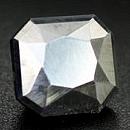
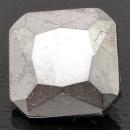
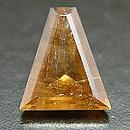
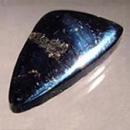
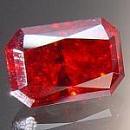
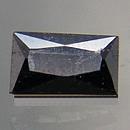
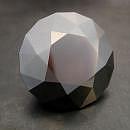
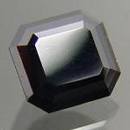
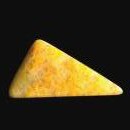
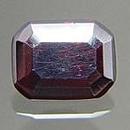
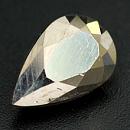
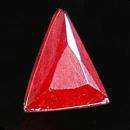
The simple definition of Anisotropy, or less commonly Anisotropism, is exhibiting different values of a particular property of a material when measured in different directions (as opposed to Isotropy). A very simple example of Anisotropy is wood. Wood splits easily in the direction of the grain but more difficultly across the grain. Anisotropy in minerals refers to one or more of a mineral's optical or physical properties, such as refractive index or cleavage, being directionally dependent. This means that the values of certain properties vary in different directions through the mineral. In optical crystallography, an Anisotropic crystal affects light differently when light passes through the crystal in different directions, or along its different axes. This variation can be seen as a difference in color or intensity of a mineral viewed under crossed polarized light as the sample is rotated. The gems below are all Anisotropic. They are often, but not always, opaque and typically have a metallic or sub-metallic luster. |
|
|
|
|
|
|
|
|
|
||||
| Arsenic |
|
Arsenopyrite |
|
Cassiterite |
|
Covellite | ||||
|
|
|
|
|
|
|
|
||||
|
|
|
|
|
|
|
||||
| Cuprite |
|
Ferberite |
|
Hematite |
|
Hübnerite | ||||
|
|
|
|
|
|
|
|
||||
|
|
|
|
|
|
|
||||
| Ilmenite |
|
Lazurite |
|
Lepidocrocite (incl.) |
|
Marcasite | ||||
|
|
|
|
|
|
|
|||||
|
|
|
|
|
|
|
||||
| Orpiment |
|
Pyrargyrite |
|
Pyrrhotite |
|
Realgar | ||||
|
|
|
|
|
|
|
|
||||
|
|
|
|
|
|
|
||||
| Rutile |
|
Tenorite |
|
Zincite |
|
|
|
